Sayyed Bozorg Mahmoody: The Man Behind Not Without My Daughter
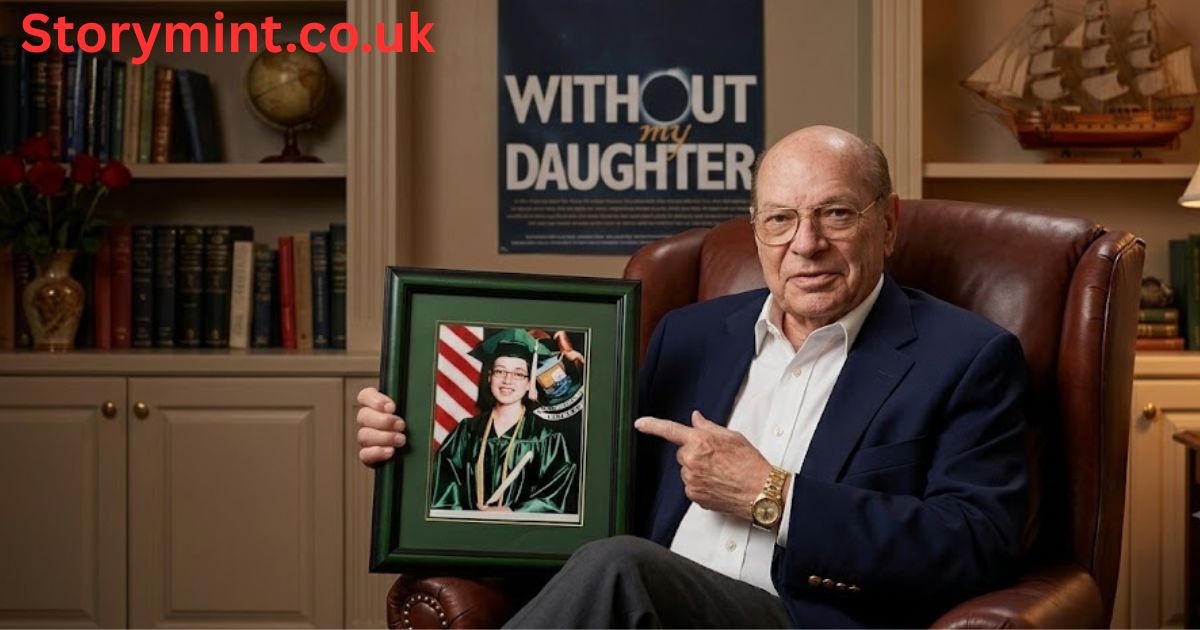
Table of Contents
ToggleWho Was Sayyed Bozorg Mahmoody?
Sayyed Bozorg “Moody” Mahmoody was an Iranian-born physician whose name became internationally known through a family dispute told in books, interviews, a Hollywood movie, and a documentary. Born around 1939, he trained in several technical and medical fields before practicing anesthesiology. Public interest in him, however, centers less on his career than on the sharply conflicting accounts of his marriage to American author Betty Mahmoody and their life in Iran.
The central controversy began after the family traveled from Michigan to Tehran in August 1984. Betty and their daughter, Mahtob, said they expected a two-week visit but were prevented from returning to the United States. Moody denied the abuse and imprisonment described by Betty. Because many details come from opposing memoirs and screen portrayals, a responsible biography must distinguish documented dates from allegations and personal interpretations.
Early Life, Education, and Medical Career
Published biographical accounts place Mahmoody’s birth in Shushtar, Iran, around 1939. They describe him as the child of physicians who died while he was young, after which an older sister helped raise him. These early-life details are repeated in profiles connected to the family’s story, but independent primary documentation is limited. That limitation matters because later coverage often blended personal history with claims from an intensely public conflict.
Sayyed Bozorg Mahmoody reportedly left Iran at 18 to study in London and moved to the United States in 1961. Accounts describe work as a mathematics professor and engineer, including a period associated with NASA, before he pursued medicine and became an anesthesiologist. These varied roles explain why sources call him a professor, engineer, doctor, or all three. His medical profession is the most consistently reported part of his employment history.
Marriage to Betty Mahmoody and Family Life
Mahmoody met Betty Lover during the 1970s, and the couple married in Houston in 1977. Their daughter, Mahtob, was born in Texas in 1979, and the family later settled in Michigan. Betty commonly called her husband “Moody,” the nickname that appeared throughout her memoir and the movie adaptation. Before the dispute became public, the family had already lived across different cultural, religious, and national settings.
The Iranian Revolution, strained United States–Iran relations, and the Iran-Iraq War formed the political background to the family’s later conflict. Those events do not prove either spouse’s account, but they shaped the legal and social environment in which the dispute unfolded. They also influenced how American audiences interpreted Sayyed Bozorg Mahmoody after the story reached bookstores and theaters, sometimes encouraging broad conclusions about Iran from one family’s experience.
The Iran Trip and Betty Mahmoody’s Account

According to Betty and Mahtob, the family arrived in Iran in August 1984 for what was presented as a short visit. They said Moody later refused to let them return home, retained control over travel documents, and became physically threatening or violent. Mahtob repeated the central account as an adult, describing an eighteen-month period in which she and her mother were unable to leave freely during an interview about her experience.
Betty said she and Mahtob eventually escaped Iran with help from others, traveling through difficult mountain terrain before reaching Turkey and returning to the United States. Her 1987 memoir, Not Without My Daughter, became an international bestseller. A 1991 film adaptation starred Sally Field as Betty and Alfred Molina as Moody, giving the story a much larger audience while compressing complicated and disputed events into a dramatic screen narrative.
His Counter-Account and Without My Daughter
Sayyed Bozorg Mahmoody rejected Betty’s description of him as an abusive captor. In his version, the move to Iran was connected to family circumstances and his desire to provide medical assistance during the Iran-Iraq War. He also argued that Betty planned her departure and deprived him of contact with Mahtob. These assertions are counterclaims, not independently established corrections to Betty’s story, and should be presented with the same careful attribution.
His perspective received sustained attention in Without My Daughter, a 2002 Finnish documentary directed by Kari Tervo and Alexis Kouros. The IDFA film archive describes its focus on his attempts to find and contact Mahtob. His account also appeared in Lost Without My Daughter, published in English in 2013. This corrects a common error: 1987 was the publication year of Betty’s memoir, not Moody’s response.
Mahtob’s Perspective, Later Years, and Death
Mahtob later described the experience in her 2015 memoir, My Name Is Mahtob. Her account largely supported her mother’s central claims and explored the fear, trauma, illness, and security concerns that followed their return to America. She never reunited with her father. In later interviews, she discussed forgiving him while clarifying that forgiveness did not mean denying what she believed happened.
Sayyed Bozorg Mahmoody spent his final years in Tehran and continued seeking contact with his daughter through public appeals and the documentary. He died in a Tehran hospital on August 23, 2009, at approximately 70 years old. Contemporary reporting attributed his death to kidney problems and other complications. His nephew told Iranian state media that Mahmoody continued thinking about Mahtob and died without seeing her again.
Conclusion: A Contested Personal and Media Legacy
Sayyed Bozorg Mahmoody remains a controversial figure because his public identity was created through competing narratives rather than a neutral historical record. Betty’s memoir and its Hollywood adaptation shaped the dominant account in the United States, while Moody’s documentary and book challenged that portrayal. Mahtob’s later testimony added an important firsthand voice, but it did not resolve every disputed detail surrounding the marriage, the Iran trip, or the separation.
The accurate conclusion is not that both versions are automatically equal or that a dramatic movie establishes the complete truth. Betty and Mahtob made consistent allegations of confinement and abuse; Moody denied them and supplied an alternative explanation. Readers should compare the memoirs, documentary, interviews, and credible reporting while keeping allegations clearly attributed. This approach provides a fairer understanding of the family dispute and the complicated media legacy it created.